
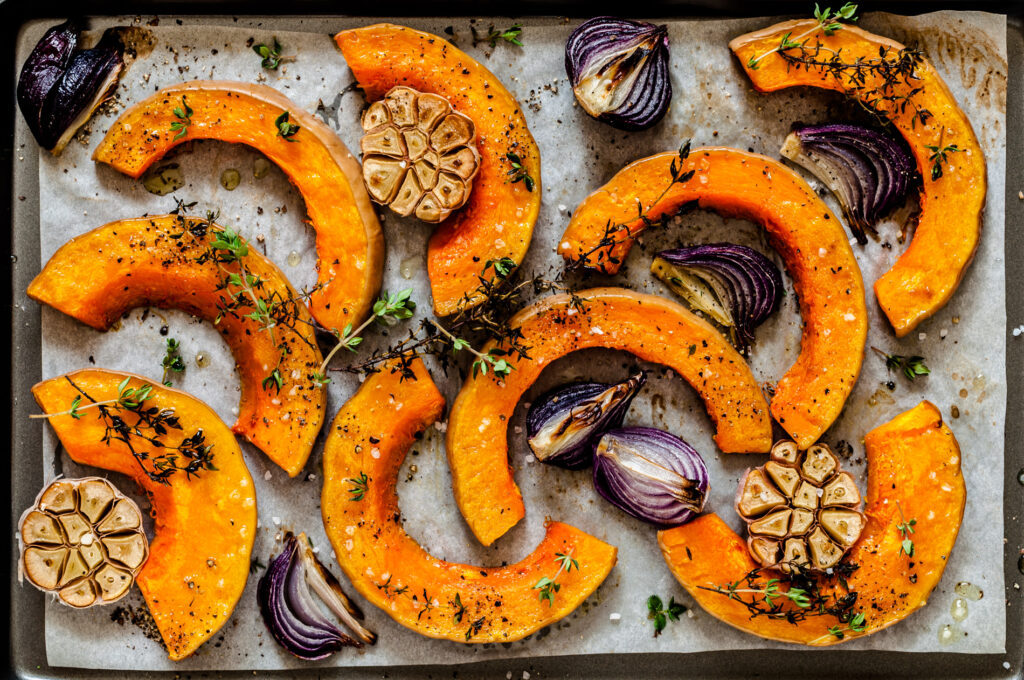
The Caribbean doesn’t really do sweater weather, but that hasn’t stopped island kitchens from having their own versions of fall comfort food — warming stews, spiced pumpkin, and seasonal harvest traditions that have been around for generations. Here are four dishes worth knowing about from four different islands, whether you’re planning a trip or just cooking your way there from home.
Sopi di Pampuna (Aruba)
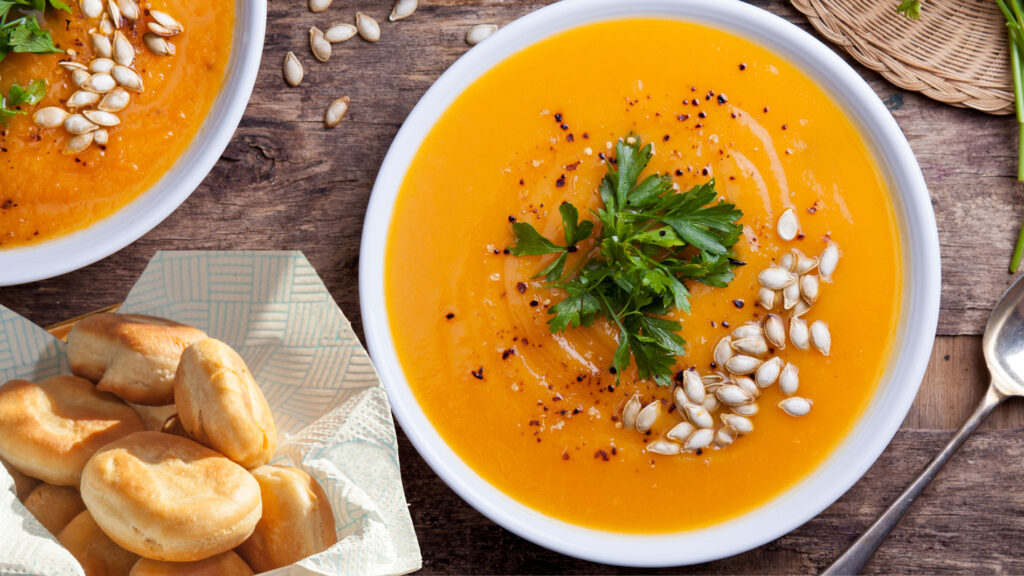
Sopi di Pampuna is Aruba’s traditional pumpkin soup, and it’s the island’s answer to the season’s craving for something warm and a little sweet. Aruba’s Dutch Caribbean heritage shows up clearly here: the soup is built on pumpkin (or calabaza) simmered with onion, celery, and leek, often finished with cream or coconut milk and a hint of cinnamon for warmth. It’s typically served with funchi, a cornmeal side similar to polenta, or johnnycakes on the side. It’s the kind of dish that shows up at family tables across the island once the air even slightly cools — proof that pumpkin season isn’t just a mainland thing. Want to make it yourself? We’ve got a full recipe for our take on Sopi di Pampuna on the blog.
Conkies (Barbados)
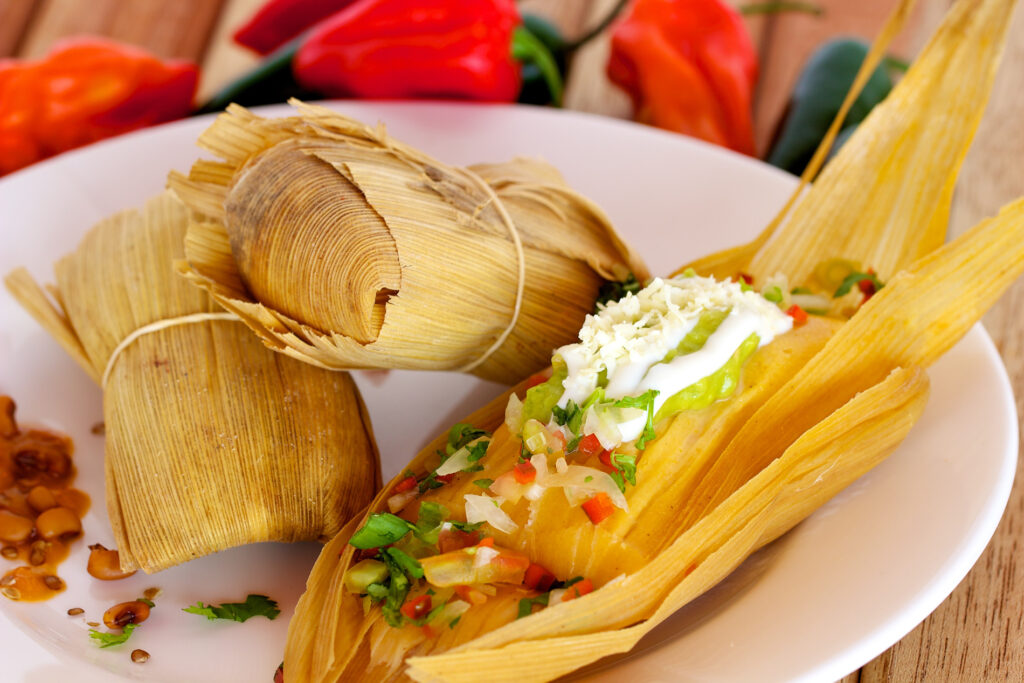
Conkies are a sweet, spiced steamed pudding made from cornmeal, grated pumpkin, coconut, sweet potato, and raisins, all wrapped in a banana leaf and steamed until firm — something like a Caribbean take on a tamale, but distinctly Bajan. They’re most associated with Barbados’ Independence Day on November 30, when nearly every family on the island makes a batch, but the ingredients themselves — pumpkin, sweet potato, warm spice — make them feel right at home in any fall spread. The banana leaf wrapping isn’t just presentation, either; it infuses the pudding with a subtle, earthy flavor you can’t get any other way.
Kabritu Stoba (Bonaire)
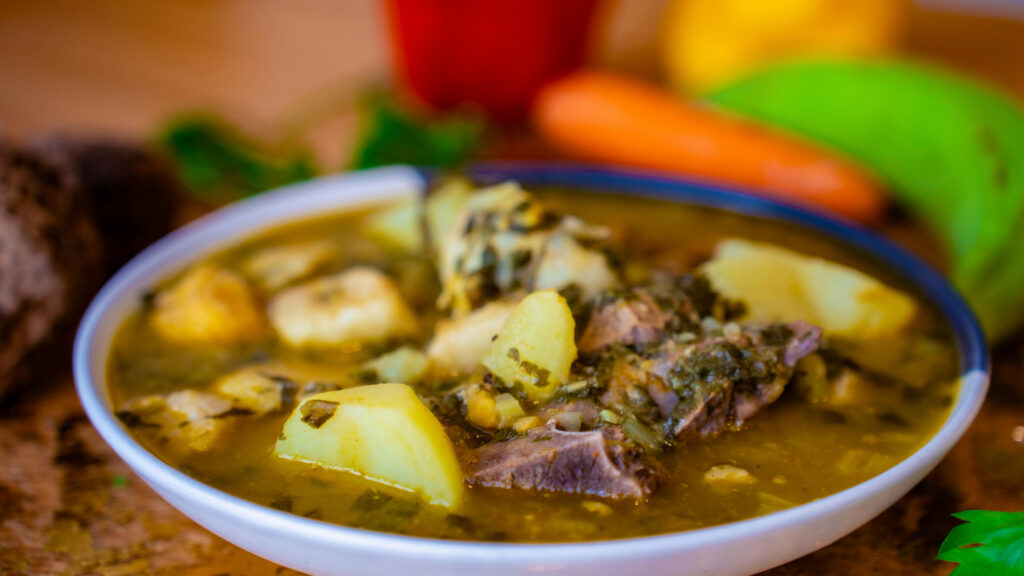
Stoba is the Papiamento word for stew, and on Bonaire, kabritu stoba — goat stew — is considered the island’s ultimate comfort food. The goat is marinated in cumin, oregano, and peppers, then slow-cooked with tomatoes and onions until deeply tender, sometimes with pumpkin or sweet potato added to the pot for extra heartiness. It’s a dish built for slow afternoons and shared tables, usually served alongside rice, funchi, or fried plantains. If you’re craving something rich and slow-cooked as the days get shorter, this is Bonaire’s version of that instinct.
Guavaberry (St. Maarten)
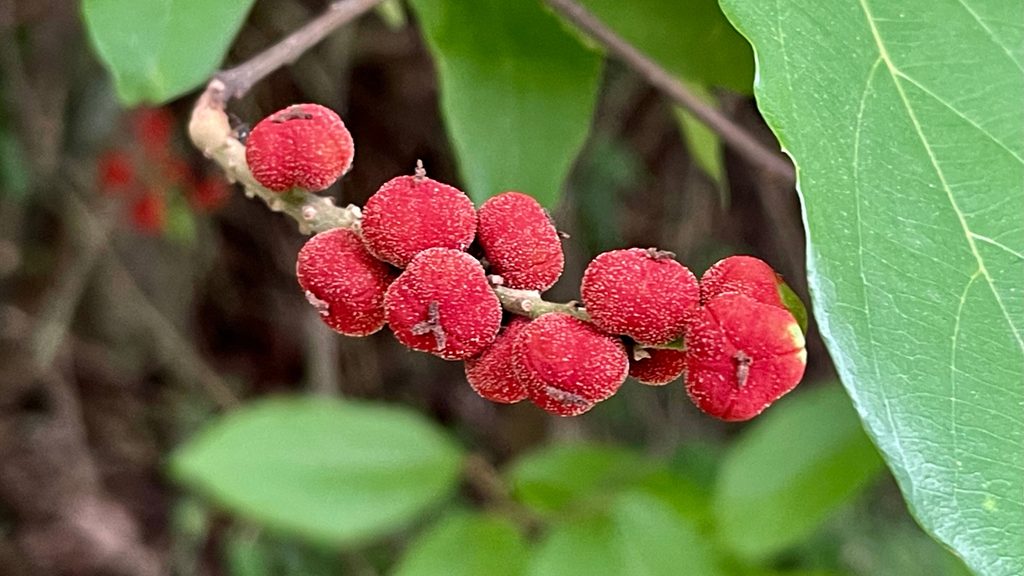
Guavaberry isn’t a single dish so much as a season unto itself. The small, native fruit ripens on St. Maarten toward the end of the rainy season, historically flowering in September and ripening by November, and its arrival marks the unofficial start of the island’s harvest and holiday season. Guavaberries are traditionally steeped in rum to make guavaberry liqueur, a St. Maarten specialty found on nearly every family’s table by Christmas, and used in everything from cocktails to rum cake. It’s a genuinely local tradition — the fruit doesn’t grow well outside the island — which makes tasting it in season one of the more authentic ways to experience St. Maarten’s culture firsthand.